
"coffee for anxiety"
800 article(s) found
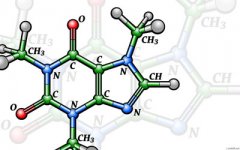
Is caffeine an angel or a devil?
Caffeine (Caffeine) is an alkaloid extracted from tea and coffee fruit. Moderate use of caffeine can dispel fatigue and excitatory nerves. Caffeine is used in clinical treatment of neurasthenia and coma resuscitation. The main source of caffeine in the food industry is coffee beans. Tea, cocoa, cola and Red Bull drinks all contain caffeine. Even women's oral contraceptive contains coffee.

Does drinking too much coffee accelerate brain aging?
Drinking a liter of coffee beans a day and freshly ground coffee can cause anxiety, dyspnea and arrhythmia. About 85% of Americans admit to drinking coffee every day. Coffee temporarily increases your heart rate and blood pressure, making you feel refreshed and focused. However, Dr. Teresa Aubrey, a neuroscience expert at Florida State University, believes that drinking too much coffee can make people jittery.
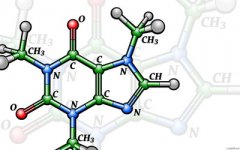
Is caffeine an angel or a devil?
Caffeine (Caffeine) is an alkaloid extracted from tea and coffee fruit. Moderate use of caffeine can dispel fatigue and excitatory nerves. Caffeine is used in clinical treatment of neurasthenia and coma resuscitation. The main source of caffeine in the food industry is coffee beans. Tea, cocoa, cola and Red Bull drinks all contain caffeine. Even women's oral contraceptive contains coffee.

Analysis of the basic knowledge of Coffee caffeine
Caffeine (Caffeine) is an alkaloid extracted from tea and coffee fruit. Moderate use of caffeine can dispel fatigue and excitatory nerves. Caffeine is used in clinical treatment of neurasthenia and coma resuscitation. The main source of caffeine in the food industry is coffee beans. Tea, cocoa, cola and Red Bull drinks all contain caffeine. Even women's oral contraceptive contains coffee.
A brief discussion on the main components of caffeine coffee
Caffeine (Caffeine) is an alkaloid extracted from tea and coffee fruit. Moderate use of caffeine can dispel fatigue and excitatory nerves. Caffeine is used in clinical treatment of neurasthenia and coma resuscitation. The main source of caffeine in the food industry is coffee beans. Tea, cocoa, cola and Red Bull drinks all contain caffeine. Even women's oral contraceptive contains coffee.
Basic knowledge of Fine Coffee A brief discussion on caffeine
Caffeine (Caffeine) is an alkaloid extracted from tea and coffee fruit. Moderate use of caffeine can dispel fatigue and excitatory nerves. Caffeine is used in clinical treatment of neurasthenia and coma resuscitation. The main source of caffeine in the food industry is coffee beans. Tea, cocoa, cola and Red Bull drinks all contain caffeine. Even women's oral contraceptive contains coffee.

Is it dull to drink coffee or speed up the brain aging process?
Drinking one liter of coffee beans a day can cause anxiety, dyspnea, arrhythmia, and excessive caffeine intake can also lead to adverse reactions such as mental hallucinations. About 85% of Americans admit to drinking coffee every day. Coffee temporarily increases your heart rate and blood pressure, making you feel refreshed and focused. However, Teresa, a neuroscience expert at Florida State University,
Basic knowledge of Fine Coffee A brief discussion on caffeine
Caffeine (Caffeine) is an alkaloid extracted from tea and coffee fruit. Moderate use of caffeine can dispel fatigue and excitatory nerves. Caffeine is used in clinical treatment of neurasthenia and coma resuscitation. The main source of caffeine in the food industry is coffee beans. Tea, cocoa, cola and Red Bull drinks all contain caffeine. Even women's oral contraceptive contains coffee.

Angel or Devil talk about the advantages and disadvantages of caffeine
Caffeine (Caffeine) is an alkaloid extracted from tea and coffee fruit. Moderate use of caffeine can dispel fatigue and excitatory nerves. Caffeine is used in clinical treatment of neurasthenia and coma resuscitation. The main source of caffeine in the food industry is coffee beans. Tea, cocoa, cola and Red Bull drinks all contain caffeine. Even women's oral contraceptive contains coffee.

Drinking coffee will not improve your creativity. Drinking too much will accelerate the aging of the brain.
Drinking a liter of coffee beans a day and freshly ground coffee can cause anxiety, dyspnea and arrhythmia. About 85% of Americans admit to drinking coffee every day. Coffee temporarily increases your heart rate and blood pressure, making you feel refreshed and focused. However, Dr. Teresa Aubrey, a neuroscience expert at Florida State University, believes that drinking too much coffee can make people jittery.

Drinking coffee or making it difficult to improve creativity may speed up the aging process of the brain.
Drinking one liter of coffee beans a day can cause anxiety, dyspnea, arrhythmia, and excessive caffeine intake can also lead to adverse reactions such as mental hallucinations. About 85% of Americans admit to drinking coffee every day. Coffee temporarily increases your heart rate and blood pressure, making you feel refreshed and focused. However, Teresa, a neuroscience expert at Florida State University,
Coffee Health Smelling coffee relieves fatigue more than drinking coffee
Researchers believe that the aroma of roasted coffee beans soothes serious nerves-and that just a little aroma can ease the effects of a night's sleep on the brain. After sampling the brains of mice, they found that the smell of coffee enhanced the activity of key genes that promoted cell survival and reduced anxiety in the body. A cup of fre

The self-service coffee brand with Chinese characteristics is introduced on the official website of Coffee Wing.
Professional coffee knowledge exchange more coffee bean information please follow the coffee workshop (Wechat official account cafe_style) Coffee Wing, focus on curry for 17 years, coffee, food, entertainment, social one-stop comprehensive experience coffee restaurant, the city life around you, you and my city living room. As the leading chain brand of curry restaurant in China, the pioneer and leader of the concept of domestic curry restaurant.

What if excessive consumption of coffee for a long time will have adverse consequences?
In the case of long-term coffee intake, large doses of caffeine is a drug that can lead to caffeine poisoning. Symptoms of caffeine poisoning include addiction and a range of physical and psychological reactions, such as nervousness, irritability, anxiety, tremors, muscle convulsions (hyperreflexia), insomnia and palpitations. Most people take caffeine because of its stimulating effect, and many students are responding.
What happens when you drink too much coffee? The silent effects of caffeine on our bodies and minds
Professional barista communication Please pay attention to coffee workshop (Weixin Official Accounts cafe_style) We will introduce various symptoms caused by excessive intake of caffeine such as coffee and tea, and the impact of caffeine addiction on the spirit. About Caffeine Addiction Caffeine addiction is poisoning caused by caffeine. Caffeine has a mild stimulating effect on heart function and is said to be consumed in high amounts.

As a result of excessive consumption of coffee, how to drink coffee properly
Excessive consumption in the case of long-term intake, large doses of caffeine is a drug that can lead to caffeine poisoning. Caffeine poisoning includes addiction and a range of physical and psychological adverse reactions, such as nervousness, irritability, anxiety, tremors, muscle convulsions (hyperreflexia), insomnia and palpitations (most people take caffeine because of its irritating effects. Many students
Adverse consequences of long-term excessive consumption of coffee in good health
In the case of long-term coffee intake, large doses of caffeine is a drug that can lead to caffeine poisoning. Symptoms of caffeine poisoning include addiction and a range of physical and psychological reactions, such as nervousness, irritability, anxiety, tremors, muscle convulsions (hyperreflexia), insomnia and palpitations. Most people take caffeine because of its stimulating effect, and many students are responding.
A brief introduction to caffeine, the active ingredient in coffee beans
Caffeine (Caffeine) is an alkaloid extracted from tea and coffee fruit. Moderate use of caffeine can dispel fatigue and excitatory nerves. Caffeine is used in clinical treatment of neurasthenia and coma resuscitation. However, large doses or long-term use will also cause damage to the human body, especially it is also addictive, once discontinued, there will be mental fatigue, fatigue and other withdrawal symptoms

Basic knowledge of coffee the adverse consequences of drinking too much coffee for a long time
In the case of long-term coffee intake, large doses of caffeine is a drug that can lead to caffeine poisoning. Symptoms of caffeine poisoning include addiction and a range of physical and psychological reactions, such as nervousness, irritability, anxiety, tremors, muscle convulsions (hyperreflexia), insomnia and palpitations. Most people take caffeine because of its stimulating effect, and many students are responding.

Common sense of drinking coffee the adverse consequences of drinking too much coffee for a long time
In the case of long-term coffee intake, large doses of caffeine is a drug that can lead to caffeine poisoning. Symptoms of caffeine poisoning include addiction and a range of physical and psychological reactions, such as nervousness, irritability, anxiety, tremors, muscle convulsions (hyperreflexia), insomnia and palpitations. Most people take caffeine because of its stimulating effect, and many students are responding.